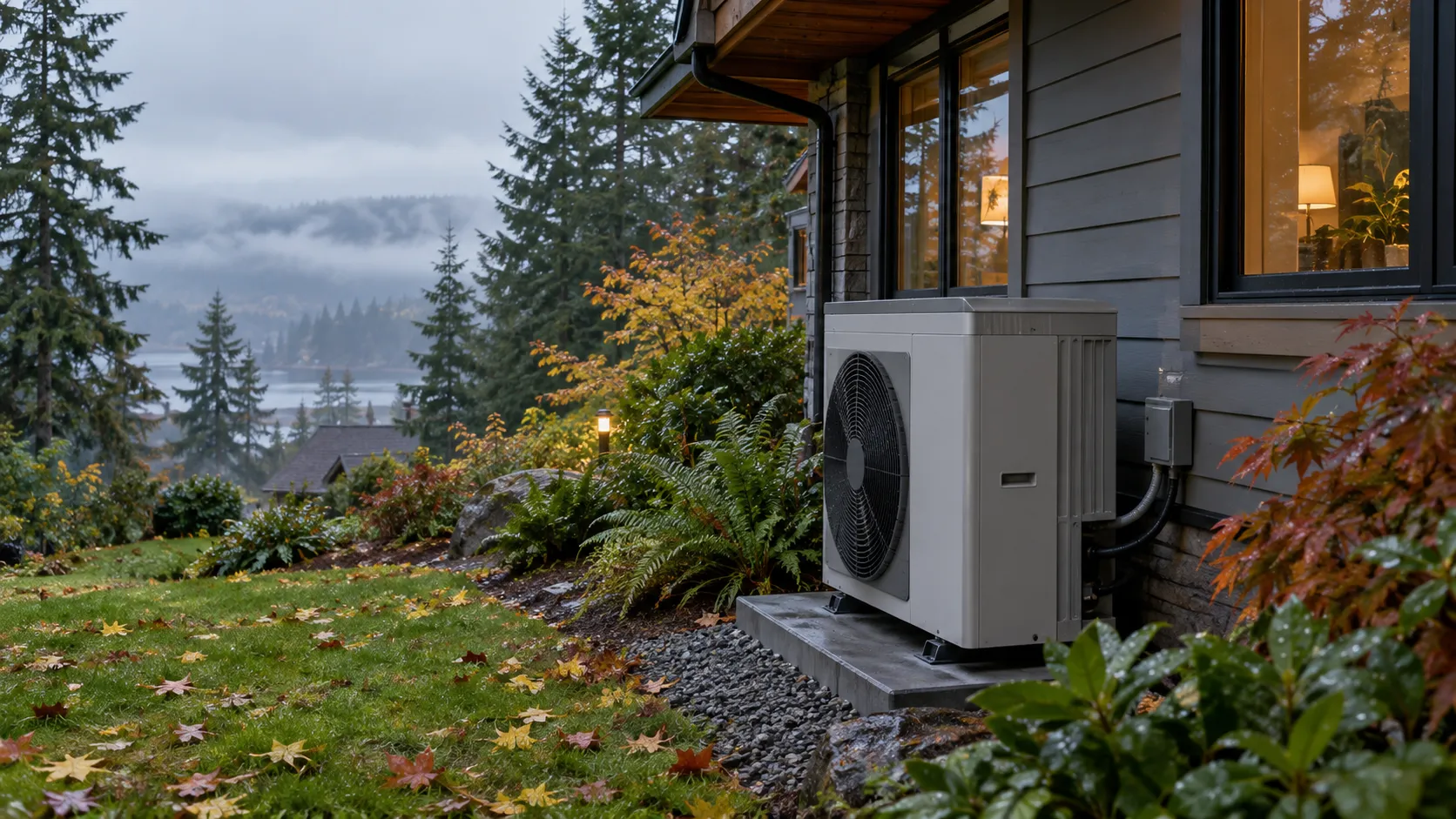
Cold rain in the damp foothills creates unique challenges for home heating systems. High humidity near the mountains puts severe stress on outdoor heat pump coils throughout late autumn. Damp air carries heavy moisture that settles directly onto metal fins.
Flow Tech Heating, AC & Electric inspects heating equipment before severe winter frost arrives. Homeowners frequently require fast heat pump repair in Eatonville when rain forces outdoor units to work overtime. Prompt care keeps system components clean and prevents sudden mechanical failure.
Our experts inspect system components thoroughly during annual service appointments. Catching small issues early extends equipment life and maintains performance. Early tune-ups protect homes against unexpected midwinter heating failures.
How Damp Foothills Rain Impacts Heating Performance
Damp air reduces an outdoor coil’s ability to transfer heat effectively. Heavy frost builds up on outdoor coils when defrost controls fail. A failing system cycles continuously without warming indoor living spaces.
Our experts inspect defrost control boards to ensure frost melts automatically. A stuck reversing valve stops heating cycles completely during heavy rainstorms. Rapid short-cycling wears out internal relays and causes high electric bills.
Our team measures electrical draws to protect main compressor components. Thick ice blocks outdoor airflow and forces fan motors to run constantly. Continuous operation strains motor bearings and reduces total heating output.
Our professionals observe water drainage around the base of outdoor units. Defrost runoff must drain away cleanly to prevent ice accumulation on bottom pans. Frozen water in the base pan can distort fan blades and damage structural framing.
Risks of operating faulty units in damp weather include:
- Heavy ice buildup crushing aluminum coil fins
- Extended auxiliary heat usage raising power bills
- Burnt electrical contacts inside reversing switches
- Sudden compressor failure during freezing temperatures
Professional Standards for Local Heat Pump Service
We perform precise technical checks using clear factory benchmarks for residential systems. Technical measurement standards show how regular service keeps equipment running within safe operating limits.
| Performance Metric | Normal System Operation | Defective System Operation |
| Defrost Cycle Duration | 5 to 10 minutes maximum | Over 15 minutes continuous |
| Air Temperature Rise | 18°F to 22°F temperature spread | Under 12°F temperature spread |
| Line Refrigerant Charge | 8°F to 12°F subcooling level | Under 4°F subcooling level |
| Compressor Amp Draw | Within rated nameplate amps | Exceeds nameplate amp limits |
| Emergency Heat Usage | Staged only during extreme cold | Constant running during mild rain |
Our professionals test temperature sensors to verify accurate system signals. Faulty sensors send incorrect readings to control circuit boards. Bad readings force backup heating coils to run during mild weather.
Refrigerant leaks reduce heating capacity and cause coils to freeze solid. Flow Tech Heating, AC & Electric tests system pressures with digital gauges. Proper refrigerant levels protect the main compressor motor from damage.
Restricted airflow can damage fan motors and reduce heat output inside the home. Dirty air filters prevent warm air from circulating through supply ducts. Replacing clogged filters restores proper air volume across indoor coils.
Critical maintenance steps performed by technicians:
- Testing electrical capacitors for correct voltage output
- Cleaning condensate drain lines to prevent overflow damage
- Securing loose wire connections to avoid electrical shorts
- Testing digital wall thermostats for accurate temperature control
Identifying Mechanical Warning Signs Before Winter
Unusual noises indicate mechanical wear inside cabinet panels. Loud grinding sounds point to worn bearings inside fan assemblies. Quick clicking noises often signal failing contactor switches or relay switches.
Our team monitors reversing valves to ensure smooth switching between cycles. The reversing valve changes refrigerant flow when switching modes. A damaged valve traps systems in cooling mode when cold weather arrives.
We inspect structural frames to reduce excessive cabinet vibration over time. Unbalanced fan blades shake frame hardware and loosen electrical connections. Securing internal components helps prevent costly leaks during heavy winter use.
Physical signs requiring professional attention include:
- Cold air blowing from supply registers during heat cycles
- Systems turning on and off every few minutes
- Thick ice remaining on outdoor coils for hours
- Odors coming from indoor air handler units
- Unexplained spikes in monthly electric bills
Further Reading:
- Signs It Is Time to Replace Your Old Electrical Panel
- Top Warning Signs Your Furnace Needs Professional Repair
Protect Your Heating System Before Cold Weather Arrives
Our team helps homeowners protect their heating equipment before winter weather arrives. We inspect electrical circuits, test refrigerant levels, and clear drainage paths to maintain high system efficiency.
Contact Flow Tech Heating, AC & Electric today to schedule your seasonal service and secure dependable heat pump repair in Eatonville.